
Expert insights, guides, and answers to help you navigate the complexities of ministry insurance and risk management.

Learn about the risks associated with high-energy youth group activities and how to keep your students safe.
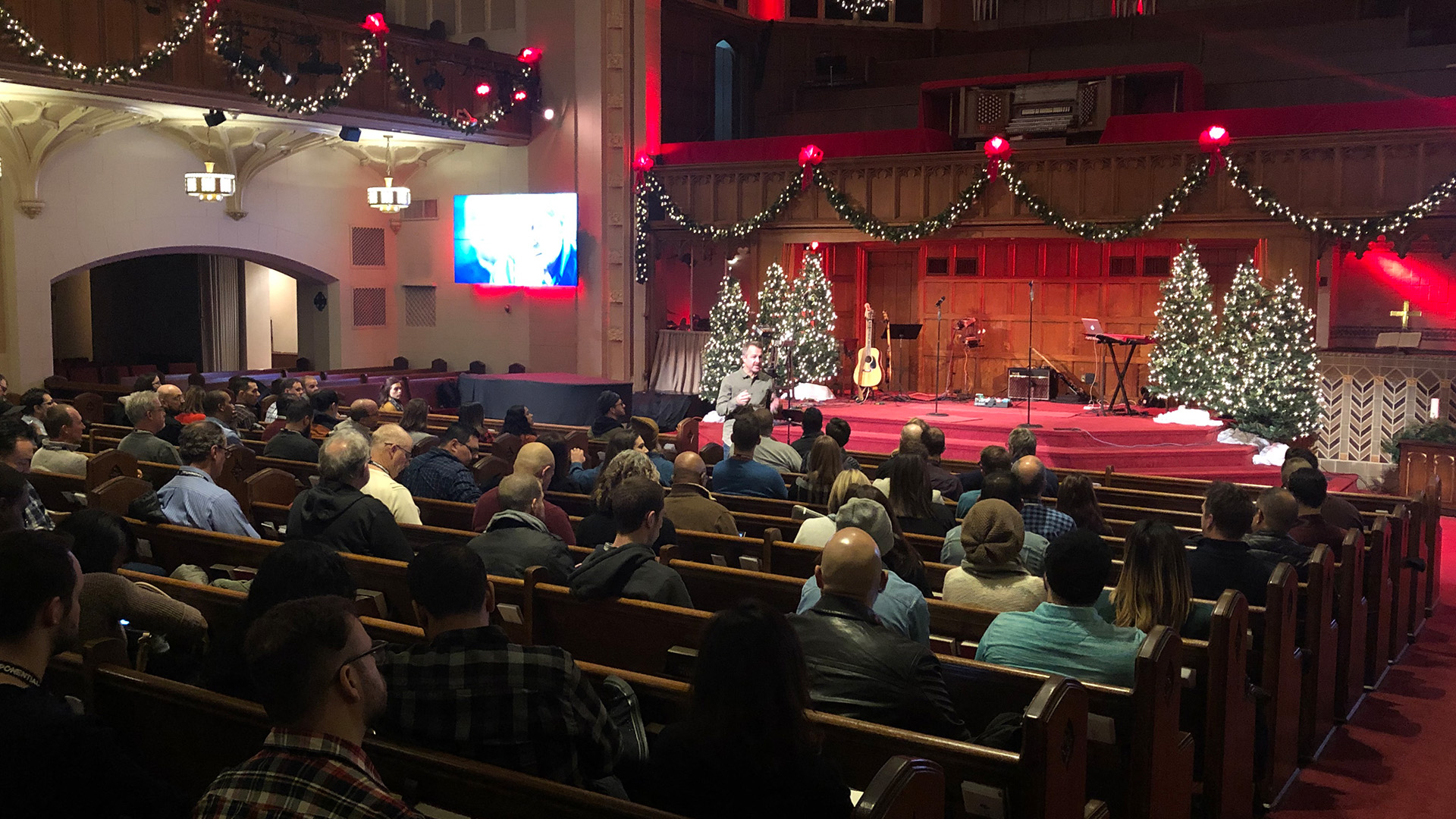
NCG Insurance is excited to partner with church planters and leaders at the Exponential conference.

Holiday decorations can pose fire hazards and liability risks. Here's how to celebrate safely.

Winter weather brings frozen pipes and slip-and-fall risks. Get your church ready before the cold sets in.

Essential steps to protect your church property and community before a storm strikes.

Navigating the insurance responsibilities when your church sponsors or hosts a Boy Scout troop.
Practical, low-cost steps every ministry can take to improve security and safety today.

Vacation Bible School is high-energy fun. Ensure it remains safe with these five key steps.

You do not have to be "local" to maintain a local presence, to provide excellent service, or to provide value to your clients.

How to efficiently navigate the quote process, maximize savings, and get the coverage your church needs.
Both coverages protect your organization from lawsuits, but they cover very different types of claims; the key difference being what exactly caused the harm. General Liability covers physical risks, such as a guest suffering an injury on your property. Professional Liability covers service-based risks, such as a counseling ministry being accused of providing harmful advice that causes emotional distress. Note that General Liability will not cover damages arising from spiritual advice or counseling, nor any errors or omissions a board member may commit.
Many small religious institutions and nonprofits incorrectly assume that only large organizations with an HR department have employment practices liability exposure. In reality, smaller organizations are often more susceptible to lawsuits than larger ones due to the number of interactions and relationships they manage, having to rely on a unique mix of full-time employees, part-time staff, and contractors that are actually considered employees. A single person can bring an employment related claim, from wrongful termination to failure to promote, not having adequate EPLI can be financially crippling, especially for a nonprofit organization. Defense costs alone can range widely depending on the complexity of the case, not to mention potential settlements or judgments. EPLI can help offset a portion of these costs, offering a crucial layer of financial security.
Typically, a religious institution’s workers’ compensation policy does not cover independent contractors, as they are considered self-employed and responsible for their own coverage. However, if a contractor is discovered to be acting more like an employee (controlled, hourly, etc.), or if they lack their own insurance in certain states, the organization may be liable. It is essential to verify state regulations regarding who is considered an employee in your organization, and always double check a contractor’s certificate of insurance.
Insurance premiums are likely to increase at renewal despite a lack of claims due to broader, external factors like inflation, rising repair costs, increased regional risks (natural disasters, climate threats), and overall market trends. Insurers also adjust rates based on updated underwriting guidelines and appetite, changes in organization’s finances, or the discontinuation of specific discounts.
Volunteer and paid board members of religious institutions and other nonprofits serve in positions of significant trust and responsibility, charged with decisions that influence and guide the long-term direction and mission of their congregations. These men and women provide high level oversight of the organizational activities and operations, ensuring financial transparency, and protecting the mission. However, these important leadership positions bring with them a number of legal considerations. In some cases, they can face personal liability for decisions and actions relating to financial mismanagement, failure to comply with regulations, or breaches of fiduciary duties. Maintaining adequate Directors & Officers liability coverage limits is especially important for organizations with high-net-worth board members, as their financial visibility and resources can make them more attractive targets for legal claims.
In today’s increasingly digital environment, religious institutions depend on donor information to support and grow their missions. Activities such as online donation drives, volunteer management, and capital campaigns all require the collection and use of donor data. While technology has made it easier than ever for organizations to connect with supporters, it has also created new exposures and vulnerabilities. Cybercriminals frequently target nonprofits through methods like hacking, phishing, and social engineering, often taking advantage of organizations that operate with limited resources or outdated technology. As a result, protecting donor information has become critical to maintaining trust, safeguarding financial resources, and meeting federal regulatory requirements. The consequences of failing to protect your members’ and donors’ data can be severe. In addition to potential financial losses from fraud or stolen funds, a security breach can significantly harm an organization’s reputation and weaken donor confidence. When trust is compromised, it can become much more difficult to attract and retain supporters. Nonprofits must also comply with various data privacy regulations, and failure to do so may lead to costly fines or legal penalties. For these reasons, strong data protection practices and having cyber insurance are essential. An adequate cyber insurance policy can cover costs related to data breaches, legal defense, regulatory fines, forensic investigations costs and notification expenses.
Standard insurance policies purchased in the United States typically only cover operations that occur in the U.S., Puerto Rico, the U.S. Virgin Islands, and occasionally Canada. For travel outside of these areas, per-trip coverage can help fill that gap. These policies will protect your organization along with any staff or volunteers participating in church-sponsored trips abroad, and typically include protection for medical emergencies, emergency evacuation and repatriation, trip interruptions, and specialized risks such as kidnapping and ransom.
A total loss can be devastating for a congregation, disrupting not only your place of worship, but also the sense of community and stability it provides. Following a complete loss event, your insurance will only pay up to the policy building limits spelled out on your property declarations pages, which may fall short of the true cost to rebuild. The organization will be responsible for raising the difference, which potentially could be hundreds of thousands of dollars.
Commercial General Liability (CGL) policies may provide some coverage for liability and expenses arising from a shooting or violent incident at your place of worship. However, coverage can be restricted, limited, or even denied, due to various exclusions and how they are interpreted by the insurance carrier. Specialized active shooter coverage is available as stand-alone policies or endorsements.
Yes, outdoor signs, playgrounds, and fences are generally covered under a church’s property insurance, but they are often categorized as structures on premises or outdoor property and have specific sublimits, sometimes as low as $20,000 per one occurrence or loss. These separate sublimits aren’t always sufficient.
The best way to approach this is to apply the insurance requirements based on the level of risk, rather than treating every group or individual who request to use the building the same. For outside organizations, ongoing activities, or higher-risk events, it’s generally a good idea to require proof of liability insurance and have the church listed as an additional insured.
Coinsurance is a clause found in many commercial property insurance policies that encourages property to be insured close to its full replacement value. If a building or business personal property is underinsured, the policyholder may have to share in part of the loss, even on a partial claim.
In many cases, volunteers are indeed covered while using their personal vehicles for church activities. Coverage is typically secondary as the volunteer’s personal auto insurance is considered the primary coverage if they are involved in an accident while driving on behalf of the church. Most church package insurance policies contain non-owned auto liability coverage.
Coverage for water damage or sewer backup depends on the direct physical cause of the loss – in other words, “where” the water originated from and “how” it entered the building, as well as the specific coverage included in your policy. Many commercial property policies cover sudden and accidental water damage from sources such as a burst pipe or accidental plumbing leak.
Watch our team break down common questions about church and ministry insurance in this helpful video guide.